Best Time to Visit Cappadocia
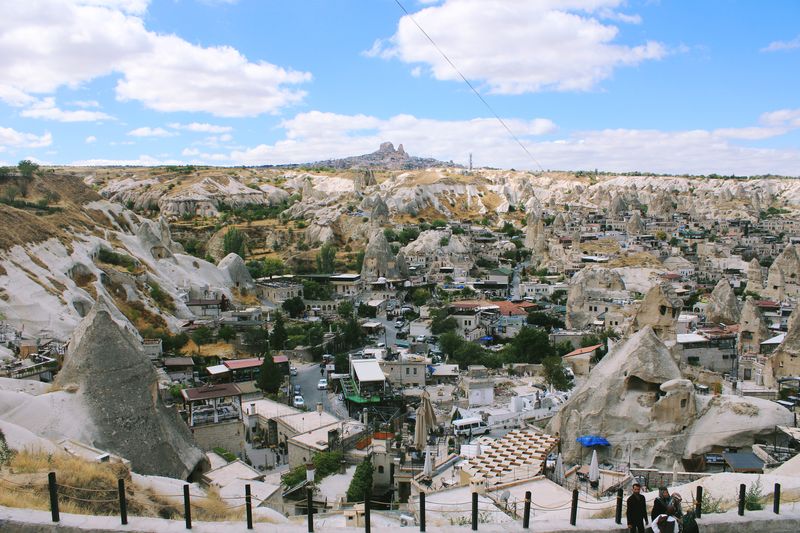
Cappadocia is one of Turkey's most fascinating travel destinations. Famous for its fairy chimneys, underground cities, ancient rock-cut churches, spectacular valleys, and hot air balloons filling the sky at sunrise, the region welcomes visitors from all over the world every year. However, one of the most common questions travelers ask when planning their trip is: When is the best time to visit Cappadocia? There is no single answer to this question because every season offers a different experience. Spring brings colorful landscapes and blooming nature, summer offers long sunny days, autumn provides pleasant conditions for hiking, and winter transforms the fairy chimneys into a magical snow-covered landscape. In this guide, we will explore the best months to visit Cappadocia, seasonal weather conditions, hot air balloon experiences, and practical travel tips to help you plan your trip.
1. What Are the Best Months to Visit Cappadocia?
Generally, April, May, September, and October are considered among the best months to visit Cappadocia. During these months, temperatures are usually more comfortable. Visitors can enjoy hiking through the valleys, exploring open-air museums, taking photographs, and discovering the region's historical attractions without dealing with extreme heat or cold. Month General Conditions January – February Winter scenery and fewer tourists March Beginning of spring, unpredictable weather April – May Excellent for sightseeing and nature June – August Hot, sunny, and busy September – October Excellent for hiking and exploration November Quiet atmosphere and autumn scenery December Winter atmosphere and possible snowfall Spring and autumn are particularly attractive for travelers who want to explore Cappadocia's natural and cultural heritage in comfortable weather.
2. Visiting Cappadocia in Spring (March, April, May)
Spring is one of the most beautiful seasons in Cappadocia. After the cold winter months, nature comes back to life, the valleys become greener, and the region offers spectacular scenery for photography. March: The weather can still be cold, especially at night. April: Conditions gradually become more suitable for sightseeing and hiking. May: Pleasant temperatures and green landscapes make this one of the most popular months. Things to do in Cappadocia during spring: Visit the Göreme Open-Air Museum. Hike through Love Valley and Pigeon Valley. Enjoy a hot air balloon ride at sunrise. Admire the panoramic views from Uçhisar Castle. Explore the underground cities of Kaymaklı or Derinkuyu. Who is spring ideal for? Travelers interested in nature, hiking, history, photography, and cultural experiences.
3. Visiting Cappadocia in Summer (June, July, August)
Summer is the busiest tourist season in Cappadocia. Days are long, the weather is generally sunny, and there are many opportunities to enjoy the famous hot air balloon experience. However, Cappadocia has a continental climate, which means daytime temperatures can become quite high. Walking through the valleys during the hottest hours of July and August can be tiring. Here are some recommendations for visiting Cappadocia in summer: Plan outdoor activities early in the morning. Visit underground cities during the hottest part of the day. Explore the valleys in the late afternoon or around sunset. Bring sunscreen, a hat, and plenty of drinking water. Who is summer ideal for? Families, travelers planning longer holidays, visitors spending their summer vacation in Turkey, and those who enjoy a lively tourist atmosphere.
4. Visiting Cappadocia in Autumn (September, October, November)
Autumn is one of the most enjoyable seasons to explore Cappadocia. In September and October, the intense summer heat gradually disappears, making outdoor activities much more comfortable. The colors of the valleys begin to change, while the morning and evening light creates beautiful scenery for photographers. Places worth visiting during autumn include: Red Valley Paşabağ (Monks Valley) Zelve Open-Air Museum Avanos Uçhisar Göreme By November, temperatures begin to drop. Nevertheless, it can be an excellent time for visitors who prefer a quieter travel experience. Who is autumn ideal for? Travelers who enjoy hiking, photography, historical exploration, and avoiding large tourist crowds.
5. Visiting Cappadocia in Winter (December, January, February)
Cappadocia takes on a completely different appearance during winter. When snow covers the fairy chimneys, the region becomes a truly magical destination. After snowfall, the landscapes around Göreme, Uçhisar, and Paşabağ become particularly impressive. However, winter travel has one important disadvantage: hot air balloon flights may be canceled because of cold weather, strong winds, or other unfavorable weather conditions. If you plan to visit Cappadocia in winter, keep the following tips in mind: Bring warm clothing and waterproof shoes. Consider booking your balloon flight for the first morning of your stay. Allow extra days in case your flight is canceled. Include underground cities and museums in your itinerary. Who is winter ideal for? Travelers looking for peaceful holidays, winter photography, snowy landscapes, and a different Cappadocia experience.
6. What Is the Best Time for a Hot Air Balloon Ride in Cappadocia?
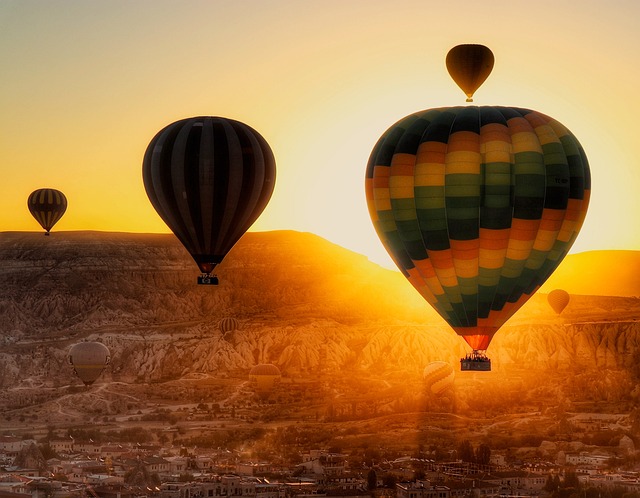
One of the most iconic images of Cappadocia is the sky filled with colorful hot air balloons at sunrise. Hot air balloon flights operate throughout the year, weather permitting. However, all flights depend on meteorological conditions and flight permissions issued by the Turkish Directorate General of Civil Aviation. Generally: Spring: Beautiful landscapes and favorable flying conditions. Summer: Often more stable weather conditions. Autumn: Excellent photography opportunities and pleasant weather. Winter: Opportunities to fly over snow-covered landscapes, but with a higher risk of cancellations. Important tip: If you want to experience a hot air balloon ride, I recommend staying in Cappadocia for at least two or three nights. Schedule your balloon flight for the first morning of your visit. If it gets canceled because of weather conditions, you will have additional mornings to try again.
7. What Is the Cheapest Time to Visit Cappadocia?
Travelers looking for a more affordable holiday should consider the winter months and the periods between the main tourist seasons. In particular: January and February: Generally quieter, with opportunities to find more affordable accommodation. March: Potentially better accommodation deals before the spring season begins. November: A quieter period after the busy summer season. However, prices may increase during Christmas, New Year's Eve, and public holidays. Some hotels and tour operators may also offer limited services during the low season.
8. How Many Days Should You Spend in Cappadocia?
I recommend spending at least three days in Cappadocia to explore the region properly. Day Suggested Itinerary Day 1 Göreme Open-Air Museum, Uçhisar Castle, Pigeon Valley, Paşabağ, and Devrent Valley Day 2 Derinkuyu or Kaymaklı Underground City, Ihlara Valley, and Selime Monastery Day 3 Hot air balloon experience, Red Valley, Avanos, and a traditional pottery workshop If you have additional time, you can also explore Soğanlı Valley, Mustafapaşa, Güzelyurt, and other historical settlements in the region.
9. Essential Travel Tips for Visiting Cappadocia
Regardless of the season you choose, the following recommendations can make your trip more enjoyable: Do not schedule your hot air balloon ride for the last morning of your stay. Remember that morning and evening temperatures can be significantly different. Wear comfortable walking shoes when exploring the valleys. Book your accommodation in advance, especially during spring and autumn. Allow enough time to explore the underground cities. Do not think of Cappadocia as simply a destination for hot air balloon rides. Take time to discover its thousands of years of history and cultural heritage.
10. Frequently Asked Questions (FAQ)
What is the best month for first-time visitors to Cappadocia? May and September are excellent choices for first-time visitors. They generally offer a good balance of weather conditions, hiking opportunities, and cultural sightseeing. Is Cappadocia worth visiting in winter? Absolutely. Especially after snowfall, the fairy chimneys create spectacular scenery. However, the possibility of hot air balloon cancellations is higher during winter. Do hot air balloons fly every day in Cappadocia? No. Balloon flights depend on wind conditions, rainfall, visibility, and other meteorological factors. Flights may be canceled in any season for safety reasons. Is Cappadocia very hot in summer? Daytime temperatures can be quite high in July and August. It is more comfortable to explore the valleys early in the morning or close to sunset. How many days are enough to visit Cappadocia? Three days are generally enough to see the main historical and natural attractions. Four or five days allow you to explore the region in greater depth. Which months are best for hot air balloon rides in Cappadocia? May, June, September, and October are excellent options. However, no month guarantees that balloon flights will operate every day.
Which Season Should You Choose for Your Cappadocia Trip?
Cappadocia is a unique destination that tells a different story in every season. For beautiful natural landscapes: April and May. For the most comfortable sightseeing conditions: May, September, and October. For generally more stable summer flying conditions: June, July, and August. For photography and autumn scenery: September and October. For snowy landscapes and a peaceful atmosphere: December, January, and February. My personal recommendation for first-time visitors is to choose May or September. During these months, you can comfortably explore Cappadocia's natural beauty, historical heritage, and outdoor attractions. Cappadocia is not simply a destination to see; it is a region to understand through its extraordinary geological formations, history stretching from the Hittites to the Byzantine Empire, early Christian heritage, and traditional Anatolian culture.
Last Modification : 11/24/2026 8:03:26 AM