Best Places to Visit in Cappadocia, Turkiye
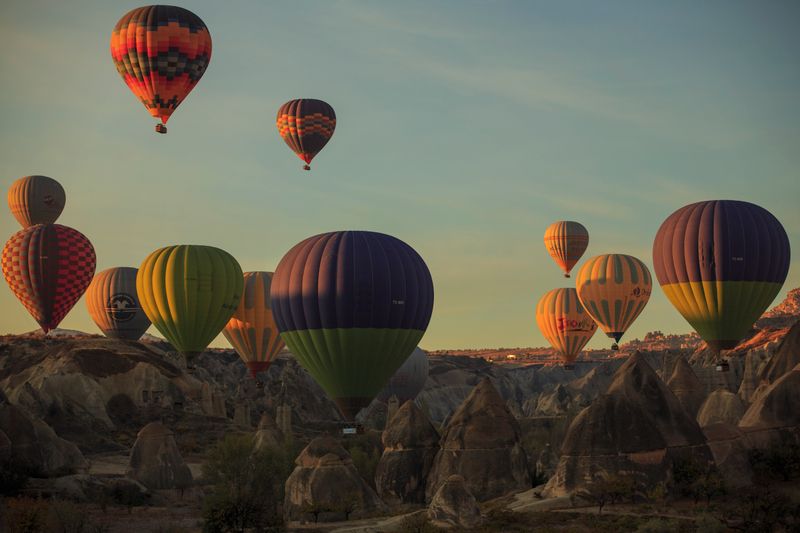
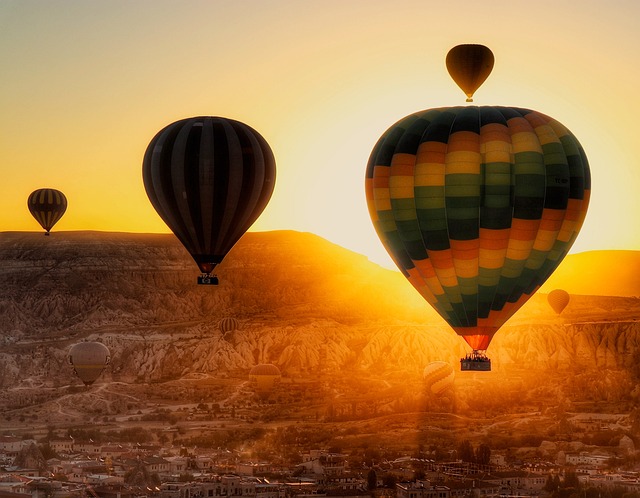
Aerial view of Goreme National Park, Tarihi Milli Parki, Turkey. The typical rock formations of Cappadocia with fairy chimneys and desert landscapeBalloons in GoremeStrange rocks and cave dwellings spreading below Uchisar Castle in Cappadocia, Turkey
Cappadocia is one of the most extraordinary destinations in Turkey, attracting visitors from all over the world with its spectacular fairy chimneys, ancient cave churches, underground cities, historical villages, and breathtaking hot air balloon experiences. Located in Central Anatolia, Cappadocia offers a unique combination of natural beauty, history, archaeology, and cultural heritage. Its fascinating landscape was shaped by volcanic activity millions of years ago, while successive civilizations transformed the region into one of the most remarkable historical destinations in the world. Whether you are interested in ancient history, Byzantine art, outdoor adventures, photography, or traditional Turkish culture, Cappadocia has something special to offer. But which places should you visit during your trip? In this guide, we explore the 17 best places to visit in Cappadocia, including historical landmarks, underground cities, scenic valleys, and traditional villages.
1. Göreme Open Air Museum
Cappadocia Red Tour Tickets with Castle & Museum Entrytickadoo.com The Göreme Open Air Museum is one of the most important historical attractions in Cappadocia and a UNESCO World Heritage Site. The museum contains an impressive collection of rock-cut churches, chapels, monasteries, and living quarters dating mainly from the Byzantine period. During the early Christian era, Cappadocia became an important center of monastic life. Religious communities carved churches and monasteries into the soft volcanic rock, creating remarkable architectural spaces. Many churches preserve beautiful Byzantine frescoes depicting scenes from the Bible and the lives of Jesus Christ and the saints. Some of the most important buildings include: Dark Church (Karanlık Kilise) Tokalı Church (Buckle Church) Apple Church (Elmalı Kilise) Snake Church (Yılanlı Kilise) Why visit? Göreme Open Air Museum offers an exceptional opportunity to understand early Christianity, Byzantine art, and the development of monastic communities in Cappadocia.
3. Uçhisar Castle
Strange rocks and cave dwellings spreading below Uchisar Castle in Cappadocia, Turkey Uçhisar Castle is one of the highest natural viewpoints in Cappadocia. This enormous volcanic rock formation was carved into a defensive structure containing rooms, tunnels, stairways, and living spaces. Throughout history, the castle served as a strategic observation point and refuge for local communities. From the top, visitors can enjoy spectacular panoramic views of Göreme, Pigeon Valley, the surrounding fairy chimneys, and Mount Erciyes on clear days. Why visit? Uçhisar Castle is one of the best places to appreciate Cappadocia's extraordinary landscape, especially during sunset.
4. Derinkuyu Underground City
Derinkuyu - Kaymakli - Sobesosmarcovasta.net Derinkuyu Underground City is among the most fascinating archaeological sites in Cappadocia. This extraordinary underground settlement extends to a depth of approximately 85 meters and consists of multiple levels connected by narrow tunnels. The underground complex contains: Living quarters Kitchens and food storage rooms Wine cellars Ventilation shafts Wells Religious spaces Security doors made of massive circular stones These underground settlements provided shelter for local populations during periods of invasion and insecurity. The engineering and organization of Derinkuyu demonstrate an impressive understanding of underground architecture. Why visit? Exploring Derinkuyu offers a unique insight into how ancient communities created complex underground settlements and adapted to challenging historical circumstances.
5. Kaymaklı Underground City
Kaymakli Underground City, Kota Wisata Bawah Tanah Turkicheria-travel.com Kaymaklı Underground City is another remarkable underground settlement in Cappadocia. Its interconnected tunnels and chambers include stables, kitchens, storage rooms, wine cellars, and living spaces. The underground city was developed over different historical periods and reflects the region's long tradition of underground settlement. Although Derinkuyu and Kaymaklı share similar characteristics, each offers a different architectural experience. Why visit? Kaymaklı is an excellent destination for visitors interested in ancient engineering, archaeology, and the history of underground settlements.
6. Paşabağ (Monks Valley)
Pasabag Monks Valley with Fairy Chimneys. Known for its mushroom shaped rocks. Cappadocia, Nevsehir, Turkey. Paşabağ, also known as Monks Valley, is famous for its unusual mushroom-shaped fairy chimneys. These extraordinary rock formations were created through millions of years of volcanic activity and erosion. Some fairy chimneys contain small carved rooms and religious spaces associated with the monastic communities that once lived in the area. The valley offers some of the most iconic landscapes in Cappadocia. Why visit? Paşabağ is one of the best places to see the region's characteristic mushroom-shaped fairy chimneys and photograph its unique geological formations.
7. Devrent Valley (Imagination Valley)
Devrent Vadisi: Kapadokya’nın Hayal Gücünü Uyandıran Vadisi - Taşkonaklar Kapadokya Mağara Oteltaskonaklar.com Devrent Valley is also known as Imagination Valley because of its unusual rock formations. Unlike many other valleys in Cappadocia, Devrent does not contain significant monastic settlements or cave churches. Instead, its landscape is famous for naturally shaped rocks resembling animals and different figures. The most famous formation resembles a camel, but visitors can discover many other shapes depending on their imagination. Why visit? Devrent Valley is an excellent destination for photography and anyone interested in Cappadocia's extraordinary natural formations.
8. Love Valley
Panoramic view of Love valley in Turkey Love Valley is one of the most recognizable natural landscapes in Cappadocia. The valley is famous for its tall, slender fairy chimneys, which create a distinctive and dramatic landscape. It is particularly popular with photographers and visitors looking for spectacular views of the region's volcanic formations. During sunrise, hot air balloons frequently pass over the surrounding valleys, creating unforgettable photographic opportunities. Why visit? Love Valley is ideal for hiking, photography, and enjoying some of the most distinctive landscapes in Cappadocia.
9. Red Valley
Visiter La Vallée Rouge, Turquie - A faire, à voir à La Vallée Rouge - Les Covoyageursles-covoyageurs.com Red Valley is famous for its spectacular red and pink rock formations. The unusual colors result from the mineral composition of the volcanic rocks, particularly iron oxides, combined with the changing light throughout the day. The valley contains several hiking trails, rock-cut churches, and beautiful viewpoints. At sunset, the rocks become especially colorful, creating one of the most impressive natural spectacles in Cappadocia. Why visit? Red Valley is one of the best destinations for sunset photography and hiking.
10. Çavuşin Village
Cavusin fortress and church Vaftizci Yahya, Saint John the Baptist in Cappadocia, Turkey Çavuşin Village is one of the oldest settlements in Cappadocia. The village is famous for its abandoned rock-cut houses, historical churches, and traditional architecture. Its old settlement reflects how local communities adapted their homes and daily lives to the region's soft volcanic landscape. One of the most important historical monuments is Çavuşin Church, which provides valuable evidence of the region's early Christian heritage. Why visit? Çavuşin is an excellent place to explore traditional cave architecture and understand the historical development of Cappadocian settlements.
11. Zelve Open Air Museum
Zelve Open Air Museum Tickets | Entry Tickets & Guided Tourstours-cappadocia.com Zelve Open Air Museum is one of the most impressive abandoned cave settlements in Cappadocia. Unlike Göreme, which is particularly famous for its churches and monasteries, Zelve provides a broader picture of everyday life in historical Cappadocia. The settlement contains rock-cut houses, churches, tunnels, monasteries, and communal spaces. People continued living in Zelve until the twentieth century, when safety concerns led to the relocation of its inhabitants. Why visit? Zelve offers a fascinating opportunity to explore the architecture and everyday life of historical Cappadocian communities.
12. Ortahisar Castle
Ortahisar Castle: Cappadocia's Hidden Fortress with a Storied Past || Turkey Tour Organizerturkeytourorganizer.com Ortahisar Castle is another impressive rock-cut fortress in Cappadocia. The castle consists of a massive volcanic rock formation containing numerous carved rooms, passages, and chambers. Historically, it served defensive and observation purposes. The surrounding village is also worth exploring, with its traditional stone houses, narrow streets, and authentic local atmosphere. Why visit? Ortahisar provides a quieter alternative to some of Cappadocia's busier tourist destinations and offers beautiful views of the surrounding landscape.
13. Pigeon Valley
Panorama of unique geological formations in Pigeon valley in Cappadocia, Central Anatolia, Turkey Pigeon Valley stretches between Uçhisar and Göreme and is famous for its thousands of pigeon houses carved into the volcanic rock. For centuries, local communities used pigeon droppings as natural fertilizer for their vineyards and agricultural fields. Pigeons also played a role in communication and certain religious traditions. The valley offers beautiful walking routes, spectacular viewpoints, and opportunities to discover the traditional relationship between people and nature in Cappadocia. Why visit? Pigeon Valley combines natural beauty, historical traditions, and excellent hiking opportunities.
14. Mustafapaşa (Sinasos)
Mustafapaşa (Sinasos): Nevşehir'in tarihi Rum köyü ve kültürel mirası - İzmir Haber - İzmir Son Dakika Haberleriyenibakishaber.com Mustafapaşa, historically known as Sinasos, is one of the most beautiful traditional settlements in Cappadocia. The village is particularly famous for its nineteenth-century stone mansions, decorated facades, historical churches, and traditional streets. Mustafapaşa reflects the cultural heritage of the Greek Orthodox community that once lived in the region. Its architecture provides a fascinating example of the multicultural history of the Ottoman period. Why visit? Mustafapaşa is a must-see destination for visitors interested in Ottoman architecture, local culture, and the multicultural history of Cappadocia.
15. Sobesos Ancient City
Gözler Sobesos Antik Kenti'ne çevrildi: Kazı çalışması Kapadokya'nın kentsel tarihine ışık tutacak! - Gezelimgezelim.com Sobesos Ancient City is an important archaeological site located near Şahinefendi village. The excavations have revealed remains of Roman-period buildings, including mosaic floors, bath structures, and other architectural elements. These discoveries provide valuable information about the social and cultural life of the region during the Roman period. Why visit? Sobesos is particularly interesting for visitors who want to discover the Roman archaeological heritage of Cappadocia beyond its famous fairy chimneys and cave churches.
16. Mount Erciyes
Aerial view of Cappadocia with Mount Erciyes Mount Erciyes is one of the most important volcanic mountains in Central Anatolia. Together with other volcanic mountains in the region, Erciyes played a major role in the geological formation of Cappadocia. Millions of years ago, volcanic eruptions covered the surrounding landscape with layers of ash, lava, and volcanic material. Over time, wind, rain, and erosion shaped these deposits into the valleys and fairy chimneys that make Cappadocia so distinctive. Today, Mount Erciyes is also home to one of Turkey's major ski resorts. Why visit? Mount Erciyes is an excellent destination for understanding Cappadocia's geological history and enjoying winter sports.
17. Ihlara Valley
Ihlara Valley - Cappadocia Turkeyuchisarcappadocia.org Ihlara Valley is one of the most beautiful natural and historical attractions in the wider Cappadocia region. Located in Aksaray Province, the valley is a spectacular canyon formed by the Melendiz River over thousands of years. Approximately 14 kilometers long, the canyon contains numerous rock-cut churches, chapels, and ancient settlements. Many of these churches preserve Byzantine frescoes depicting religious scenes. The river, lush vegetation, walking paths, and historical monuments create a remarkable combination of natural beauty and cultural heritage. Why visit? Ihlara Valley is ideal for hiking, nature photography, and exploring the religious history of Byzantine Cappadocia.
18. Avanos
Avanos is a charming historical town situated along the Kızılırmak River, Turkey's longest river. Avanos is particularly famous for its traditional pottery and ceramic-making heritage, which has been practiced in the region for thousands of years. Local workshops continue to preserve these traditional techniques, allowing visitors to watch experienced craftsmen shape clay on traditional pottery wheels. Visitors can also participate in pottery-making activities and create their own ceramic souvenirs. The town's historic streets, stone bridges, riverside cafés, and restaurants make Avanos an enjoyable destination. Why visit? Avanos offers an opportunity to experience traditional Turkish craftsmanship and discover the cultural heritage of Cappadocia.
How Many Days Should You Spend in Cappadocia?
To explore Cappadocia properly, we recommend spending at least two or three days in the region. DurationSuggested itinerary1 dayGöreme, Uçhisar, Paşabağ, Devrent Valley2 daysNorthern Cappadocia, Derinkuyu or Kaymaklı, Ihlara Valley3 daysMustafapaşa, Sobesos, Avanos, and the valleys4 daysA more comprehensive cultural, historical, and nature experience If you have limited time, a private guided tour can help you organize the most important attractions efficiently.
When Is the Best Time to Visit Cappadocia?
Cappadocia is a year-round destination, and each season offers a different travel experience.
Spring (April–May)
Spring is one of the best times to visit Cappadocia. Temperatures are generally pleasant, the valleys become greener, and conditions are suitable for hiking and sightseeing.
Summer (June–August)
Summer offers long daylight hours and plenty of opportunities for outdoor activities. However, daytime temperatures can become quite high.
Autumn (September–October)
Autumn is another excellent season, with pleasant temperatures and beautiful landscapes. It is particularly suitable for hiking, photography, and cultural tours.
Winter (December–February)
Winter transforms Cappadocia into a completely different landscape. Snow-covered fairy chimneys create spectacular scenery, while nearby Mount Erciyes offers skiing opportunities.
Hot Air Balloon Flights in Cappadocia
Hot air balloons flying above Göreme, Cappadocia (Kapadokya) Anatolia, Turkey at sunrise. Panoramic view of villages and fairy chimneys. Popular touristic destination for summer vacation holidays A hot air balloon flight is one of the most unforgettable experiences in Cappadocia. Early in the morning, dozens of colorful balloons rise above the valleys, offering breathtaking views of the fairy chimneys and volcanic landscape. Flights are subject to weather conditions and aviation safety regulations. Therefore, cancellations can occur, even during the high tourist season. If a balloon flight is an essential part of your trip, it is advisable to stay in Cappadocia for at least two or three nights to have alternative opportunities.
Why Explore Cappadocia with a Private Tour Guide?
Cappadocia is much more than a landscape of beautiful fairy chimneys. Its history stretches from the Hittite civilization and Roman period to early Christianity, the Byzantine Empire, and the Ottoman era. Exploring the region with a professional licensed tour guide allows visitors to understand the historical, archaeological, and cultural significance of the places they visit. A private guided tour offers several advantages: Personalized itineraries: Explore the attractions that match your interests and available time. Historical interpretation: Discover the stories behind ancient churches, underground cities, and historical settlements. Efficient sightseeing: Make the most of your time without unnecessary travel. Cultural experiences: Learn about local traditions, architecture, and everyday life. Flexible travel: Adjust your itinerary according to your preferences and schedule. Whether you are interested in Byzantine history, early Christianity, archaeology, photography, or local culture, a private tour can make your Cappadocia experience more meaningful.
Cappadocia Is Much More Than Fairy Chimneys
Cappadocia is one of the world's most extraordinary travel destinations, where millions of years of geological history meet thousands of years of human civilization. From the magnificent rock-cut churches of Göreme to the mysterious underground cities of Derinkuyu and Kaymaklı, the region offers an incredible variety of historical and natural attractions. Its traditional villages, spectacular valleys, ancient monuments, and unique landscapes make Cappadocia an unforgettable destination for travelers interested in history, culture, and nature. When visiting Cappadocia, do not limit your experience to photographing the fairy chimneys. Take the time to discover the civilizations, traditions, and stories that shaped this remarkable region. Cappadocia is not simply a place to see. It is a place to explore, understand, and experience.
Last Modification : 11/24/2026 8:28:24 AM