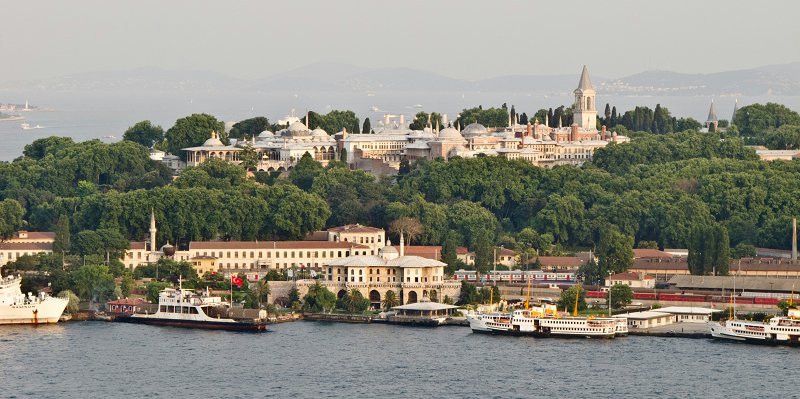
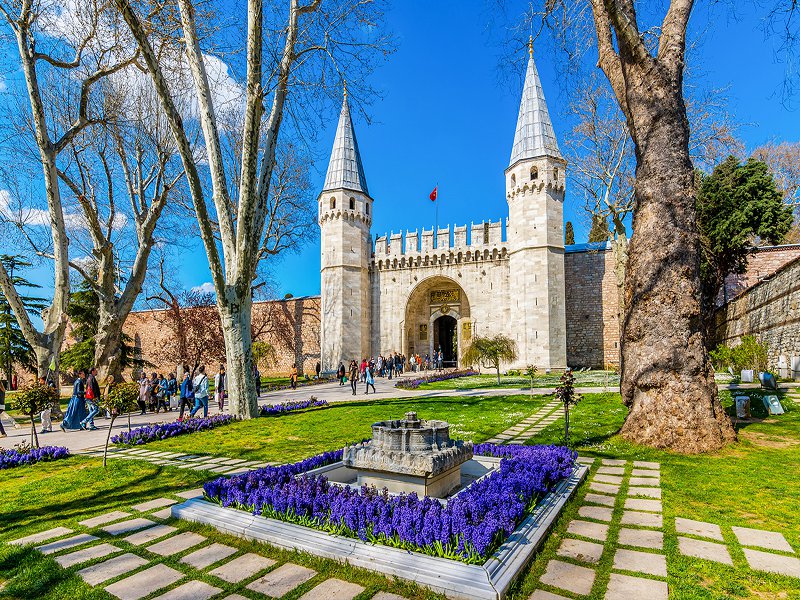
The Birth of Topkapi Palace
Conquest and Rebirth
When Constantinople fell on May 29, 1453, it wasn't just a city that changed hands—history itself pivoted. Sultan Mehmed II stood transfixed beneath Hagia Sophia's magnificent dome, his prolonged gaze marking the birth of an empire poised to inherit Byzantium's glorious legacy.
A Vision Among Ruins
Surveying the weather-beaten ruins of the Great Palace, the Sultan likely contemplated verses echoing through its crumbling halls: "Owls hoot in the towers of Ifriyab, Spiders weave curtains in Caesar's palace."
These decaying monuments spoke of power's transience while inspiring a new beginning. Rejecting alternatives like the Blachernae Palace, Mehmed resolved to build his palace at the city's most strategic point.
First Steps: From Temporary Measures to Lasting Monuments
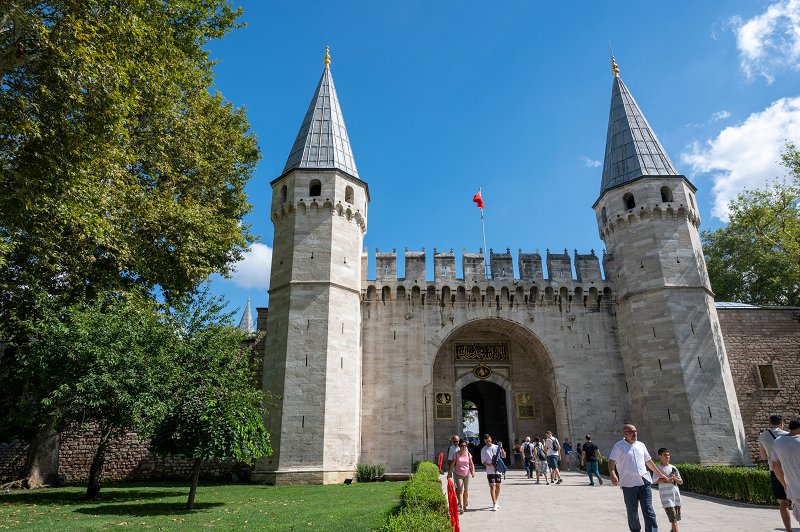
From Seven Towers to Topkapi: Defense and Splendor
The fortress of Yedikule (Seven Towers) near the Golden Gate secured the city while the main palace complex, completed by 1458, rose nearby. Kritovoulos noted: "The Sultan demanded buildings be completed with utmost speed."
More Than a Palace: An Imperial Blueprint
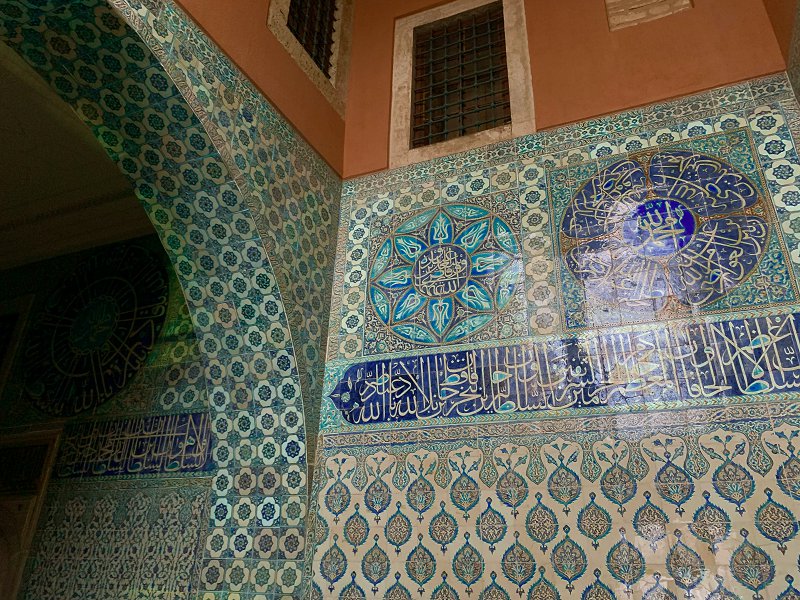
The finished complex embodied Ottoman governance:
- Heavily guarded harem quarters
- Magnificent Imperial Council chambers
- Courtyards and gardens teeming with exotic animals
- Training grounds for imperial pages
Giovanni Maria Angiolello's memoirs describe "gardens alive with birdsong" and "monumental columns rivaling Rome's"—testaments to the Ottoman synthesis of Eastern and Western cultures.
An Architectural Manifesto
Though Topkapi Palace evolved over decades, Mehmed's original vision remained clear:
- Symbolism: Honoring Byzantine heritage while asserting Ottoman identity
- Functionality: Consolidating governance, education, and daily life
- Aesthetics: Harmonizing architecture with natural beauty
- Epilogue: A Sultan of Two Continents, A Palace of Two Cultures
Mehmed's palace transcended stone and marble—it materialized an empire's self-conception. Today, Topkapi Palace still reflects the Conqueror's vision: an Ottoman masterpiece rising from Byzantine foundations, its silhouette forever altering Istanbul's skyline.
Recommended Sources
- Franz Babinger, "Mehmed the Conqueror and His Time"
- Stefanos Yerasimos, "From Constantinople to Istanbul"
- Gülru Necipoğlu, "Ottoman Court Culture in the 15th Century"
- Topkapi Palace Museum Archives
Last Modification : 4/20/2026 5:29:19 PM