- North Aegean Region
where rolling olive groves and vineyards stretch toward the sea
The North Aegean coast of Turkey unfolds like a well-kept secret, where rolling olive groves and vineyards stretch toward the sea, untouched by the rampant development seen elsewhere. This is a land where history whispers from every stone, where fishing boats bob gently in harbors lined with pastel-colored houses, and where the pace of life slows to the rhythm of the tides. Unlike the crowded resorts of the south, the coastal towns here retain an unpretentious charm, offering visitors a glimpse into a more authentic Turkey.
Çanakkale stands as the region’s gateway, a lively port city where the past feels palpably close. From here, ferries glide across the Dardanelles to the hallowed battlefields of Gallipoli, while the legendary ruins of Troy rise just a short drive away. Yet beyond its role as a transit point, Çanakkale has its own quiet appeal—a waterfront lined with cafes, a thriving local food scene, and an understated energy that invites lingering.
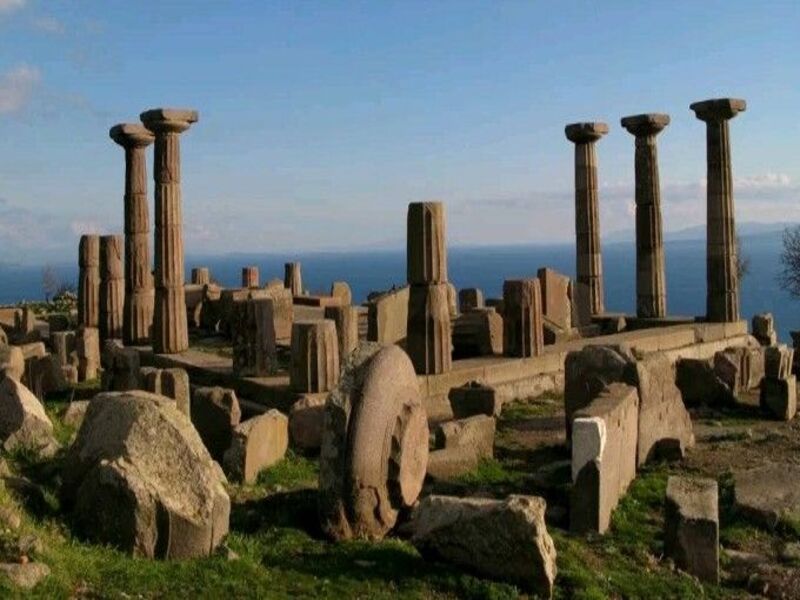
Further south, the hillside town of Assos crowns an extinct volcano, its weathered stone buildings gazing across the sapphire waters toward the Greek island of Lesvos. Once a center of ancient philosophy, it now offers a different kind of wisdom—the simple pleasure of a sunset over the Aegean, the taste of just-caught seafood in a harborside taverna, and the quiet majesty of its Temple of Athena, standing sentinel over the sea.
Ayvalık, with its labyrinthine streets and Ottoman-era architecture, feels like a place frozen in time. Once a thriving Greek settlement, its legacy lingers in the grand old stone houses, now housing artisan workshops and boutique hotels. The town’s beaches are gentle and unassuming, its waters dotted with small islands perfect for lazy afternoon explorations.
Bergama, the modern heir to the ancient city of Pergamum, wears its history proudly. The ruins of its acropolis loom dramatically over the town, a testament to its days as a center of learning and innovation. Below, the Asclepion, once a sanctuary of healing, still exudes a tranquil aura, its marble columns standing in quiet defiance of time.
And then there are the lesser-known gems—Dikili with its thermal springs, Çandarlı with its medieval fortress, and Foça, where the cries of Mediterranean seals still echo along the rocky shores. These are places where tourism has yet to leave its heavy mark, where the sea remains the undisputed star of the show.
Even İzmir, the region’s bustling metropolis, serves more as a gateway than a destination. Though its industrial sprawl may not charm at first glance, its airport provides a vital link for travelers venturing deeper into the Aegean. Those arriving from the Greek islands will find themselves passing through, perhaps catching a glimpse of the city’s vibrant street life before continuing on to quieter shores.
This is the North Aegean—a region that asks for nothing but offers everything. It’s a place where the past and present coexist effortlessly, where the sea is always within reach, and where the true essence of the Turkish coast can still be found.